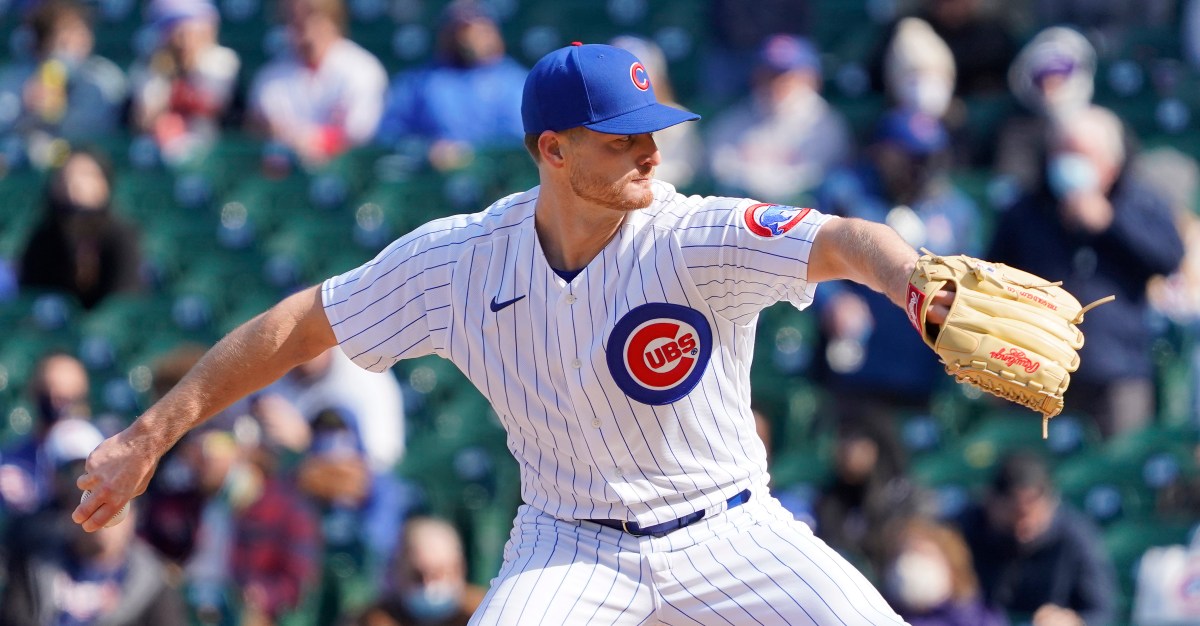
Cubs Make Strategic Move, Officially Sign Shelby Miller to Two-Year Deal with 2028 Option
The Chicago Cubs have officially announced a significant addition to their pitching arsenal, securing right-handed pitcher Shelby Miller on a two-year major league contract. This strategic move, which had been widely reported on Friday, was formally confirmed on Sunday, sending a clear signal about the Cubs' intentions for their pitching staff and roster construction. The deal also includes a club option for the 2028 season, indicating a potential long-term vision for Miller’s role with the team, despite his recent injury status. This signing represents a calculated risk and potentially a high-reward play for the Cubs. Shelby Miller, a veteran with a career marked by both flashes of brilliance and prolonged battles with injuries, brings an intriguing dynamic to Chicago. His acquisition suggests the Cubs are looking to bolster their pitching depth with experienced arms, hoping that their player development and medical staff can help Miller regain his formidable form. The corresponding roster move, designating infielder Ben Cowles for assignment, highlights the meticulous balancing act general managers face in optimizing their 40-man roster.Analyzing Shelby Miller's Career Trajectory and Potential Impact
The journey of Shelby Miller in Major League Baseball has been anything but linear. Drafted by the St. Louis Cardinals in the first round of the 2009 MLB Draft, Miller quickly ascended through the ranks, making his debut in 2012. He enjoyed an All-Star season in 2015 with the Atlanta Braves, posting a 3.02 ERA across 33 starts, a performance that cemented his status as one of the league's promising young starters. However, a high-profile trade to the Arizona Diamondbacks in the 2015-16 offseason marked the beginning of a challenging period plagued by injuries and inconsistency.From 2016 onward, Miller's career saw him bounce between several organizations, including the Rangers, Cubs (briefly in 2021 as a minor leaguer), Pirates, Giants, and Dodgers. His tenure with the Dodgers in recent seasons, particularly in 2023, offered glimpses of a potential resurgence. Pitching primarily out of the bullpen, Miller demonstrated improved velocity and command, showcasing that the raw talent that once made him an All-Star was still present. He posted a respectable ERA in a relief role, prompting renewed interest from teams looking for experienced, high-upside arms.
A Look Back: Miller's Rollercoaster Career
Miller's early career success was built on a powerful fastball and a sharp curveball, capable of dominating opposing lineups. His trade value soared after his All-Star year, leading to the blockbuster deal with Arizona. Unfortunately, a series of injuries, including Tommy John surgery in 2017, derailed his momentum. The road back to consistent major league action has been arduous, involving numerous minor league stints and adjustments to his pitching mechanics and arsenal. This resilience and determination, despite the setbacks, speak volumes about Miller's character and his commitment to the game. For the Cubs, this veteran presence, coupled with his past success, could be invaluable, particularly in mentoring younger pitchers or stepping into high-leverage situations if he performs well.
Addressing the Injury Factor
The reference to Shelby Miller as an "injured P" in prior reports is crucial context for this signing. While the specific nature of his current injury isn't detailed in the immediate announcement, it's clear the Cubs are making a long-term play. Signing an injured player to a multi-year deal with a club option often implies a belief in their recovery capabilities and a strategic plan for their return. This could mean a focused rehabilitation period, aiming for a mid-season return, or even a full build-up for the following year. The Cubs’ medical and training staff will undoubtedly play a pivotal role in his recovery and eventual deployment.
The decision to invest in an injured player like Miller suggests the Cubs see value in his upside that outweighs the immediate health concerns. It could be a testament to his impressive velocity, spin rates, or specific pitch characteristics that the analytics department finds appealing. This type of reclamation project is common in MLB, where teams seek to unlock untapped potential or revive former stars through targeted development and specialized care. For fans, the key will be patience, understanding that Miller’s full impact might not be immediately felt, but could pay dividends down the line.
Roster Ramifications: The Ben Cowles Decision
To accommodate Shelby Miller on the 40-man roster, the Cubs made a corresponding move by designating infielder Ben Cowles for assignment. This decision brings the Cubs' 40-man roster back to its full capacity of 40 players, a testament to the constant juggling and strategic decisions required in roster management. The designation of Cowles, while necessary for Miller's signing, also brings an end to a somewhat convoluted journey for the infielder within the Cubs organization. Cowles was initially acquired by the Cubs at the 2024 trade deadline in a deal that sent veteran pitcher Mark Leiter Jr. to the New York Yankees. His initial stint with the Cubs was brief, as he was designated for assignment in September 2025. After being claimed by the Chicago White Sox, he again found himself designated for assignment in January (likely 2026, or 2027 based on context). The Cubs then brought him back on waivers in early January, a move speculated at the time to be for organizational depth, potentially to mitigate against the possibility of trading a prospect like Matt Shaw. However, with the current roster dynamics and the specific need for a 40-man spot for Miller, the "need for Cowles is no longer present," as the reference context indicated. The DFA process gives other teams a chance to claim Cowles off waivers within a specified period. If unclaimed, he could be outrighted to the Cubs' minor league system or elect free agency. This intricate dance of waivers, claims, and designations is a routine but critical part of MLB roster management, allowing teams to maintain flexibility while trying to hold onto promising talent. For more detailed insights into the roster implications, you can read our breakdown: Shelby Miller Joins Cubs, Ben Cowles DFA to Clear Roster Spot.What Shelby Miller's Signing Means for the Cubs' Future
The signing of Shelby Miller is more than just another roster transaction; it's a statement about the Cubs' long-term strategy and their assessment of their pitching needs. The two-year deal with a club option for 2028 suggests that Chicago is not just looking for a stopgap solution, but rather views Miller as a potential multi-year contributor, provided he can stay healthy and recapture consistent performance.Strategic Fit and Role within the Pitching Staff
Upon his return, Miller's role with the Cubs could be multifaceted. Given his recent history, a bullpen role seems most likely initially, potentially as a high-leverage reliever, long reliever, or even a swingman capable of spot starts. His experience as a former starter provides flexibility, offering the Cubs insurance against injuries to their rotation or providing innings coverage in doubleheaders. His presence also adds a veteran voice to a pitching staff that will likely include a mix of proven arms and developing prospects. The club option for 2028 further emphasizes the Cubs' belief in his potential to provide value beyond just one or two seasons, allowing them to assess his health and performance before committing to a longer term.
The Cubs have shown a propensity for identifying and rehabilitating pitchers, turning them into valuable assets. Miller could be the latest example of this approach. His high-octane fastball and breaking pitches, if consistently harnessed, could be a significant weapon, especially against right-handed hitters. The Cubs' analytical team likely sees specific attributes in Miller's recent performances, even amidst injuries, that suggest a high probability of success in a specific role within their pitching philosophy.
Balancing Risk and Reward
Every signing in baseball involves a degree of risk, but signing an injured veteran like Shelby Miller amplifies that equation. The financial terms of the deal (though not disclosed in the provided context) are likely structured to mitigate some of this risk, perhaps with incentives tied to performance or health milestones. The reward, however, could be substantial. If Miller can return to even a fraction of his All-Star form, or consistently pitch as he did in spurts with the Dodgers, he would represent exceptional value for the Cubs. This is the essence of a reclamation project: investing a reasonable amount in a player with high upside, betting on the team's ability to help him reach that potential.
For fans, this move underscores the front office's commitment to exploring all avenues for improvement. It reflects a nuanced approach to roster building, where experience, raw talent, and a history of high performance are weighed against recent struggles and health concerns. The ultimate success of this signing will depend heavily on Miller's rehabilitation, his commitment to the Cubs' program, and the coaching staff's ability to maximize his strengths. To delve deeper into the implications for Chicago, check out our analysis: Cubs Ink Injured Shelby Miller: What Does This Mean for Chicago?